


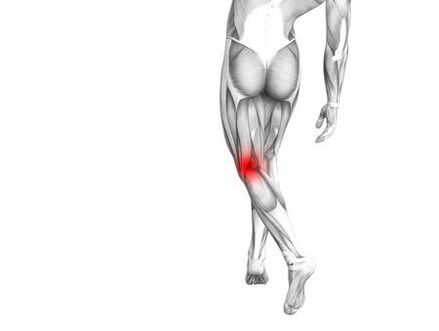
People have been dealing with such a pathology as stage 1 arthrosis of the knee joint for a long time.However, there is still confusion regarding the name of the disease.Officially it is called honey.circle "deforming osteoarthritis".The name of the pathology comes from the ancient Greek words:
- Osteon - bone;
- artron – articulation.
The pathology in question can also be called gonarthrosis."Goni" means knee in ancient Greek.In this way, the location of damage to the joint tissues is emphasized.This means that arthrosis of the knee joint and gonarthrosis are identical concepts.
Deforming osteoarthritis is represented by damage to cartilaginous tissue, characterized by a progressive character.The inflammation is localized to the area of cartilage that covers the surface of the joint.The result of the inflammatory process is the appearance of pain and poor functioning of the joint.
This knee joint pathology is very common.They fix her, honey.workers are predominantly elderly women.It is also observed in those who face the problem of being overweight.
But the disease also affects men.Surprisingly, deforming osteoarthritis is also diagnosed in young men with toned figures.There are many provocateurs of a dangerous disease.We will describe them below in more detail and then move on to a description of symptoms and treatment.
Reasons
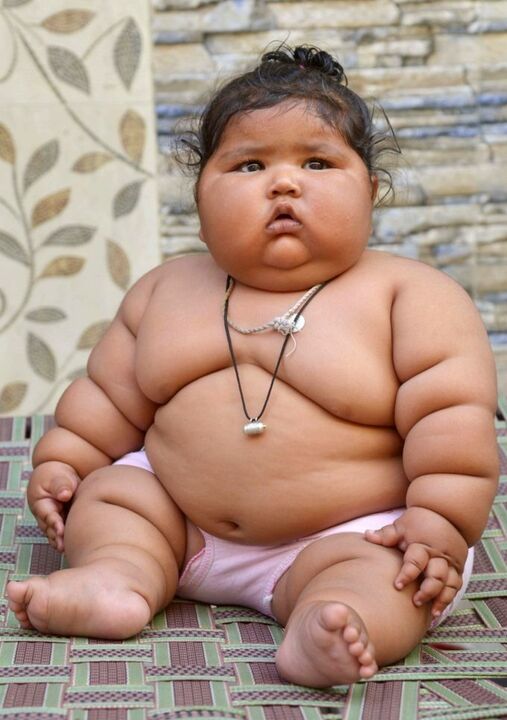
Various factors can provoke deforming osteoarthritis in the area of the knee joints.It could be sports injuries, being overweight or age.Gonarthrosis, according to statistics, affects about 15–30% of the population.This pathology is classified as a disease of heredity, excess weight, lifestyle or age.
It is clear that in obese women over 40 years of age the lesion is detected more often.In this case, the development of the pathology was facilitated by the increased load placed on the knees daily.
After age 65, gonarthrosis occurs in approximately 65–85% of people.Its appearance is facilitated by changes in hormonal levels and severe wear of cartilaginous tissue, which manifest themselves over time.
The following factors can cause the development of a deforming type of pathology:
- Injury to the menisci;
- metabolic failures;
- bad habits.These include smoking, alcohol abuse;
- various injuries in the knee area (joint dislocations, bone fractures);
- weakness of the ligamentous apparatus. This pathology is often congenital.It’s called hypermobility;
- unbalanced diet;
- inflammatory joint diseases(Ankylosing spondylitis, gout, rheumatism);
- hereditary factor. It is represented by the body's predisposition to the development of osteoarthritis of the knee joint.
Symptoms
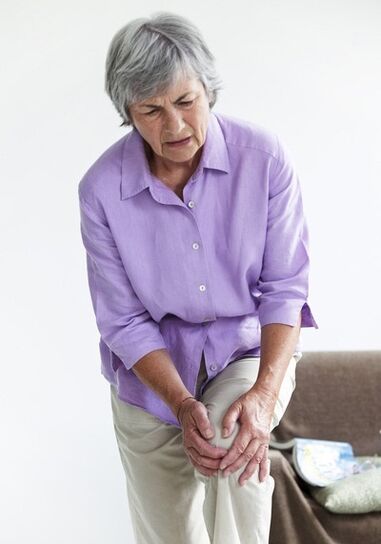
It is recommended to seek medical attention in grades 1 and 2 of the disease.In these situations, the probability of complete restoration of cartilaginous structures is quite high.Degenerative processes can be eliminated forever.But it is quite difficult to notice grade 1 arthrosis of the knee joint.It usually develops asymptomatically or manifests itself in a very mild form.
Patients can notice certain changes and express their complaints already at the 2nd, 3rd degree of the pathology.They are already noticing certain changes in the cartilaginous structures, which are manifested by pain.The pain intensifies every day.
Patients pay attention to the following signs of pathology:
- Pain syndrome. It is distinguished by its sharp and penetrating character.The pain appears after walking or squatting.It is also noticeable after various actions performed by the knee joint.
- Sensation of pain inside the joint.
- The knee area swells. There is swelling in the area.The skin covering the knee turns red.
- Morning stiffness. This condition is considered characteristic of all stages of the development of pathology.
- The presence of a peculiar crisis. The symptom appears when performing movements.
- Sensation of pain in the knee region. Patients feel this mainly due to changing weather conditions.Pain after hypothermia is also possible.
- Impaired mobility. Patients notice this when performing movements.
Degrees of arthrosis of the knee joint
The pathology in question develops gradually. 1st degree arthrosis of the knee joint is quite difficult to determine due to the lack of clear signs.The development of gonarthrosis occurs in several stages, which we will describe in more detail.
Stage 1
Stage 1 arthrosis of the knee joint is accompanied by minor changes in the hyaline cartilage.The shape of the bones remains the same.The change in the shape of the joint is explained by synovitis.A significant volume of fluid that accumulates inside the joint cavity spreads to the popliteal fossa region, causing Baker's cysts.Sometimes the tumor may progress.The fluid spreads over the entire surface of the leg (back).
In the initial phase of the disease, pain may be felt.It is observed when walking even on flat terrain.You may experience pain after standing for long periods of time.The pain becomes more intense after going down the stairs.The pain disappears after rest.Radiography in stage 1 shows only a slight narrowing of the joint gap.A subtle sclerosis of the subchondral bone is also detected.
Stage 2
Second-degree osteoarthritis of the knee joint is characterized by thinning of the cartilaginous layer.In some places it disappears completely.The x-ray shows bony marginal growths.There is a narrowing of the articulation gap.
The sick knee causes pain with any movement.There is discomfort after long walks or when carrying heavy objects.Synovitis becomes more pronounced.The pain subsides after a long rest.Then it returns when moving.
You can already notice a kind of squeaking sound when moving the joint.The ability to bend the knee is usually lost.When you try to bend the joint completely, a sharp pain occurs.There is a visual deformation of the joint.There is a change in the bones.They become rougher and wider.
Step 3
When grade 3 osteoarthritis of the knee joint is diagnosed, treatment will involve surgery.Late in the development of the disease, cartilage is absent over a larger area of the affected joint.Bone sclerosis is pronounced.There is a marked narrowing of the joint gap and multiple osteophytes are visible on the radiographic image.Chondromas may occur.They are represented by free bodies located inside the joint cavities.
The pain becomes more intense.The pain does not go away even with rest.Joint movements become more limited.Doctors observe hypotrophy of muscle fibers in the thigh and leg.The deformation of the bones is much more noticeable.
A comfortable position in bed that relieves pain becomes difficult for the patient to find.It is possible to change the shape of the legs.They become X, O shaped. This is accompanied by an unsteady gait.
Stage 4 pathology
Arthrosis of the 4th degree of the knee joint is differentiated separately.The pathology is characterized by the total loss of joint function.In this case, acute pain syndrome is observed.It is called a "joint block".
Diagnosis
Suspicion of the development of gonarthrosis is considered a good reason to consult a doctor.When you notice the first signs of the disease, it is advisable to make an appointment with an orthopedist.You may need to see a surgeon or rheumatologist.
The diagnosis will be made based on the results of laboratory and instrumental research methods.The patient is sent for laboratory tests:
- Blood (general analysis, biochemistry);
- general urinalysis.
Laboratory data are needed to exclude autoimmune diseases that cause joint damage.They help determine the presence of inflammation in the body.
Instrumental diagnostics are also carried out.It is represented by the following methods:
- Ultrasound;
- radiography;
- TC;
- MRI.
Treatment of osteoarthritis in the knee joint
When grade 2 arthrosis of the knee joint is diagnosed, treatment is comprehensive.They use a series of therapeutic techniques and different means.This allows you to achieve a positive effect.Let's look at how to treat grade 2 arthrosis of the knee joint, when the cartilage has already been destroyed and the joint is deformed.
Ointments
When osteoarthritis of the 1st degree of the knee joint or the 2nd stage develops, ointments are needed to suppress inflammation, reduce pain and eliminate swelling.
Vasodilating and warming ointments are also used.
Injections
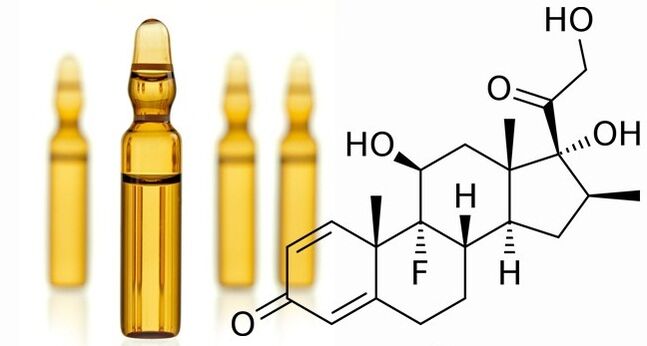
When grade 2 osteoarthritis of the knee joint is diagnosed, treatment includes the use of intra-articular and intramuscular injections.Injections for osteoarthritis of the knee joint are used intramuscularly to administer glucocorticoids.They are needed to provide an anti-inflammatory effect.Medicines reduce pain, eliminate swelling and redness of the dermis.It is allowed to use hormones in the form of injections only 2-3 times a year.
Kinesiotherapy
Kinesitherapy for gonarthrosis is used to eliminate pain.Helps eliminate inflammation and relieves stress on joints.With its help, muscle fibers are strengthened.They practice kinesiotherapy in special centers.
Physiotherapy
In stage 2 pathology, the patient suffers from pain.To alleviate pain in pathologies such as grade 2 osteoarthritis of the knee joint, treatment is complemented with physiotherapeutic procedures.They are selected depending on the severity of the pathology.The following physiotherapy procedures are usually prescribed:
- Ultraviolet irradiation;
- phonophoresis with hydrocortisone;
- laser therapy;
- magnetic therapy;
- UHF;
- inductometry;
- healing mud.
Magnetotherapy
Magnetic therapy is used in the treatment of gonarthrosis to achieve the following objectives:
- Relief of inflammation;
- normalization of blood circulation within the articular tissues;
- elimination of swelling;
- normalization of the metabolism of the affected area, restoration of adequate compound nutrition;
- increased impact of medications taken.
Ozone therapy
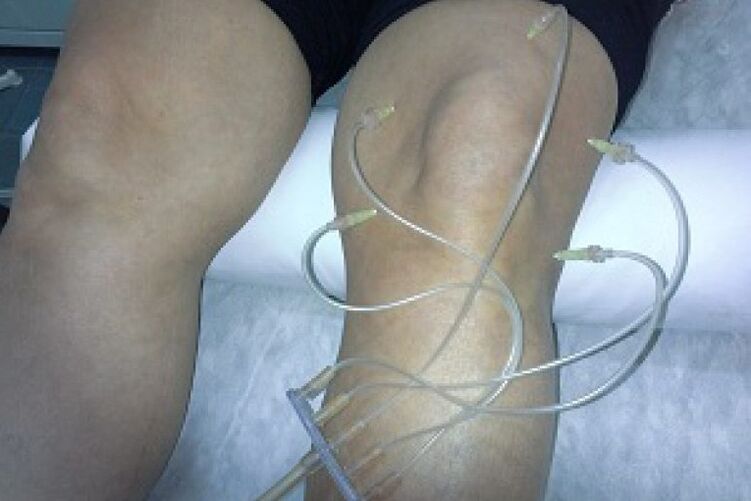
In honey In practice, medications are often administered inside the joints.Ozone has excellent analgesic and anti-inflammatory effects.Thanks to it, reparative processes are stimulated and microcirculation is normalized.
A good analgesic effect is achieved by introducing ozone into sore spots.One of them is considered the “crow’s foot” of the knee joint.The gas is injected into the sore spot or the area around the injury.It is also introduced into areas around large joints.Generally 2 - 3, 10 - 12 ml of gas are injected at one point.During a procedure, the number of points for subcutaneous injection differs.
Simultaneously with the gas injection, doctors administer an ozonized sodium chloride solution.It is performed intravenously.The duration of therapy is determined by the doctor in each case.Already 3–5 procedures reduce pain and increase the range of motion of the affected joint.The resulting therapeutic effect lasts approximately 4–9 months.
Pharmacotherapy
Pharmacotherapy for gonarthrosis is necessary to reduce signs of the pathology.Typically, medicines from the following groups are used to treat the disease:
- Chondroprotectors. Chondroprotectors for arthrosis of the knee jointnecessary to improve blood circulation and cartilage metabolism.The drug contains active elements of animal origin.These components increase the synthesis of hyaluronate, nourish the joint, improve the quality characteristics of the joint fluid and suppress inflammation.There are conflicting reviews about the effectiveness of chondroprotectors.This is because the effect appears after a certain period.
- Antiplatelet agents.The aim of the medications is to improve cartilage microcirculation.
- Metabolic substances.The purpose of medications is to normalize metabolism and improve cartilage nutrition.They use medications in combination with others.
- Antioxidants.The effect of medications is manifested in slowing down the lipid oxidation process.
- NSAIDs. Medications are needed to reduce the inflammatory process.Medicines with this effect are prescribed for severe pain.The therapeutic course usually lasts no more than 5–7 days.
Surgical intervention
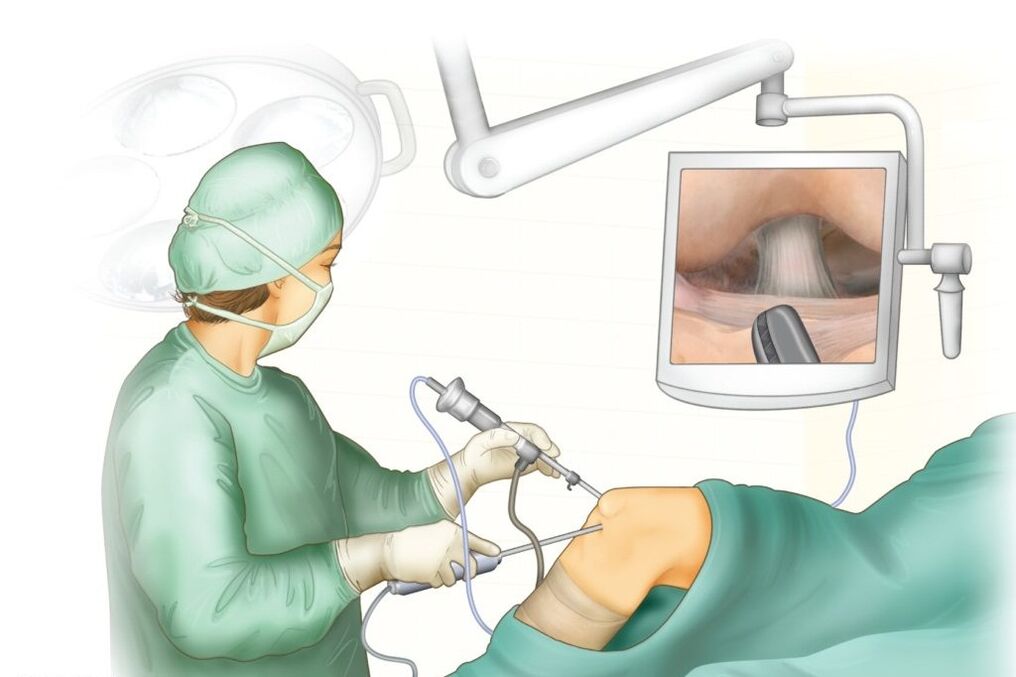
In rare cases, surgery is indicated. Treatment with surgery is used when grade 3 osteoarthritis of the knee joint is diagnosed.Doctors usually notice the need for surgery when the pathology progresses markedly or the selected course of treatment did not have a positive effect.
The operation involves washing the joint, eliminating bone growths and destroying part of the affected joint.This surgery is considered a moderately traumatic procedure.It is possible to restore the functionality of the knee joint with its help within 3-4 years.
How to treat grade 3 osteoarthritis of the knee joint?When the pathology cannot be cured, it progresses to stage 3, and an endoprosthesis is prescribed.Manipulation involves absolute replacement of the affected connection.Instead, a prosthetic made from high-tech materials is being introduced.Thanks to this prosthesis, motor activity is prolonged for approximately 15 years.
Traditional medicine in the treatment of arthrosis of the knee joint

The treatment of osteoarthritis of the knee joint can be done not only with medication, but also with surgery.The use of non-traditional methods is permitted.Its use is only possible after consultation with your doctor.This will help prevent damage to the body.Even knowing how to treat osteoarthritis of the knee joint can cause harm instead of benefit.Therefore, the treatment regimen must be approved by the attending physician.
Below we will describe the most popular remedies that can be used to treat gonarthrosis.They can also be used to complement the treatment of grade 3 osteoarthritis of the knee joint.
Revenues
2nd degree osteoarthritis can be treated with traditional medicine.Here are some examples of the most effective traditional medicine that helps treat knee osteoarthritis:
- Lemon with peel. It is recommended to eat this fruit with the peel.It has a bactericidal and anti-inflammatory effect.The fruit should be consumed on an empty stomach (about 30 minutes before meals).If necessary, you can dilute the citrus juice in water.Patients with gastrointestinal diseases in the acute phase should be careful when using this remedy.
- Compress with white cabbage leaves. The surface of the sheet must be greased with honey.These sheets are applied to the skin in the area of the diseased joint.Carry out the procedure at night.In the morning it must be repeated, apply a new sheet.The compress must be left on all day.Therapy using this method lasts about a month.
- Drink with vinegar (apple cider vinegar). To prepare the medicinal liquid, use water (200 ml), vinegar (2 teaspoons).The resulting product is considered quite effective.You should drink it three times a day. This must be done while eating.The effect of the drink is to gradually relieve joint pain.
- Sunflower oil. Its action is aimed at eliminating pain.The liquid is rubbed into the affected compound's skin.To enhance the healing effect of the remedy, a burdock leaf is placed on top of the joint.Leave the compress on for several hours.
Physical exercises for osteoarthritis of the knee joint
Therapeutic exercise is an integral element of complex osteoarthritis therapy. Knee joint treatment therefore aims to restore mobility to the diseased joint.Perform all exercises only during remission.The first classes are taught with a specialist.It is advisable to work on an inpatient or outpatient basis.Then you can do exercises at home.
Set of exercises
- Sit on a chair with your feet shoulder-width apart. Alternately lift your toes and at the same time stroke the knee area with your hands.Do not press your knees with your hands.Movements should be light, not causing irritation or discomfort.
- Sit on a chair with your feet shoulder-width apart. Lifting your toes, you simultaneously bring your knees closer to each other.The socks should “look” at each other.And back, we spread the socks and knees out.As you open your legs, bend your torso backwards.With our hands we make light caresses in the area of the knees and thigh muscles.As we spread, we inhale, as we bring our legs together, we exhale.
- Sitting on a chair, feet shoulder-width apart. With light and small steps, we stretch our legs until the end.And returning with legs straight, in small steps, we place our legs under the chair.Movements should be light.With our hands we continue caressing the knees and thigh muscles.
- We continued sitting in the chair. The legs are stretched all the way, with an emphasis on the heels.We perform light, alternating and surprising movements with the legs.
- From the previous position. It's as if we were sitting behind the wheel of a car.Alternately we raise our socks to the maximum position and lower them to the floor.When you lift your toes, your legs bend at the knees.Use your hands to alternately rub your knees and thigh muscles.Bend your back whenever you lift your toes.
- Sit on the edge of a chair. Feet shoulder-width apart.Highlight for the heels.At the same time, we lower our torso onto the back of the chair and straighten our legs at the knees, pulling our toes forward.And back to the starting position.
- We continued sitting in the chair. The legs are stretched all the way, with an emphasis on the heels.The body is tilted backwards.Alternatively, bend your leg at the knees (try touching the opposite knee with your foot) and touch your shin with the palm of your hand.
- We sat on a chair. Feet together.Knees bent.From the starting position, we alternately perform a circular movement with the help of the pelvis, moving our legs to the side and stretching our limbs to the knees (like the Russian folk dance “Squat”).
- Standing. We lean on the back of a chair or hold onto the wall.Let's take one leg back and place it on the toe.Lifting the big toe over the big toe, bend the limb at the knee joint.We perform oscillating movements.Then swap limbs.
- Standing. We lean on the wall or the back of a chair.We alternately stand on tiptoe.We walk in place.
When starting exercises, you need to remember the following rules:
- You can start exercise therapy classes only during the period of remission.
- Before starting exercises, you should consult your doctor.
- Do not overload your joints during exercise.
- Static loads during exercise must exceed the number of dynamic loads.Static loads help strengthen muscle fibers.This eliminates wear and tear on diseased joints.
- Exercises can be done at home.The main thing in the treatment of gonarthrosis is regular exercise.
- Moving or kneeling is prohibited.
- Most exercises are performed in a sitting or lying position.
- The occurrence of acute pain is considered a signal to stop exercise.
- Performing any exercise smoothly is important.Sudden movements are contraindicated.
Nutrition for arthrosis of the knee joint
Treatment for knee pain requires a change in diet.Doctors consider therapeutic nutrition to be an additional method that can be used in addition to the main therapy.In many cases, treatment will not be complete without following the diet prescribed by your doctor.
Diet
During the treatment of knee osteoarthritis, it is advisable to follow the diet prescribed by the attending physician.For grade 2 knee injuries, fractional meals are recommended (portions should be small).
During therapy, it is recommended to replace sunflower oil with olive oil.The patient's menu during treatment should include the following products:
- Fresh vegetables;
- fruits;
- formaldehyde, jellied meat;
- nuts of different varieties;
- fish;
- chicken meat (cooked);
- porridge cooked in water. They can be prepared with skimmed milk;
- dairy (low-fat).
Example of a diet for a day
Breakfast (7am-9am)
- Oat porridge with water;
- 1 banana;
- Cottage cheese 50 gr.
Lunch (12pm-2pm)
- Chicken soup with homemade noodles;
- Boiled rice, with stewed fish (red, white);
- Rye bread – 100 gr.
Afternoon snack (from 4pm to 6pm)
- Kefir 1 glass;
- Fruits (banana, apple, kiwi, pear) - 1 pc.
Dinner (from 8pm to 10pm)
- Jellied meat -1 serving
- Rye bread - 50 gr.
Harmful foods for osteoarthritis of the knee joint
In order for the treatment of osteoarthritis of the knee joint to be effective, salty foods and pure salt are excluded from the diet.It is also advisable to avoid certain foods:
- Confectionery;
- fast food;
- sauces;
- semi-finished products;
- smoked meats, pickles;
- French fries;
- fried foods;
- alcoholic beverages;
- refrigerator.
Conclusions
It is very difficult to cure osteoarthritis of the knee joint.In the later stages, it is impossible to reverse the deforming pathology.For grade 1 or 2 disease, disease progression can be halted.To do this, you must make every effort.Be sure to follow all of your doctor's instructions.
To lead an active lifestyle and prevent the development of pathological complications, it is necessary to constantly monitor the state of the body.Seek medical help.help should be provided when the first warning signs of the disease appear.Physiotherapy and medications will help stop cartilage destruction and restore its structure. Effective treatment of arthrosis of the knee joint is possible if you follow the basic rules described in the article.